Industry leaders highlight the importance of adaptability, professional development and innovation in strengthening South Africa’s logistics, transport and supply chain sectors.
The Chartered Institute of Logistics and Transport (CILT) hosted the Women in Logistics, Transport and Supply Chain Empowerment Conference 2026 under the theme “Resilience Reimagined: Leading Through Disruption”, bringing together industry leaders, executives, academics and professionals to explore the challenges and opportunities shaping South Africa’s logistics and transport landscape.
The conference focused on women’s leadership, resilience in the face of infrastructure and operational challenges, the future of logistics, and the importance of education, professionalisation and continuous skills development in building a competitive supply chain sector.
Through keynote presentations and panel discussions, speakers examined how industry stakeholders can respond to disruption while creating opportunities for women to lead, innovate and contribute to the transformation of the sector.


Resilience and leadership in a changing industry
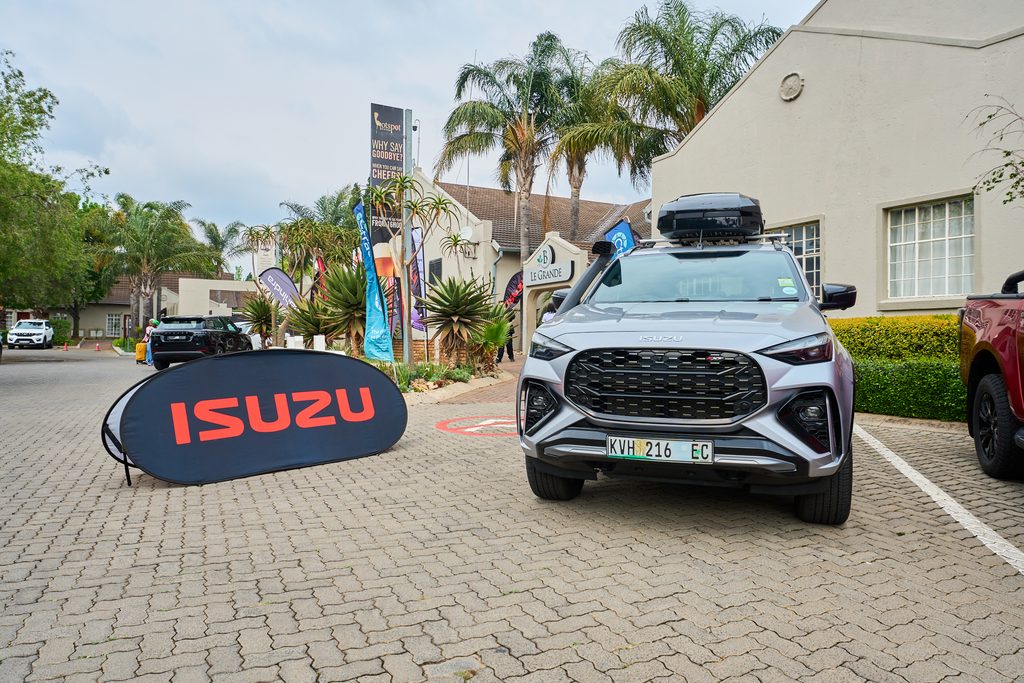
The keynote address, “Resilience Reimagined: Leading Through Disruption”, was delivered by Lebo Rakgekola, Department Executive: Sales (LCV & SUV) at Isuzu.
The address formed part of the conference’s central focus on resilience and leadership, highlighting the importance of navigating disruption in an industry where changing market conditions, operational pressures and evolving customer needs require organisations and their leaders to remain adaptable.
The conference also featured Maserati Ramokadi, Transport and Logistics Analyst at Absa, who presented on “The Future of SA Logistics: Trends Every Woman Should Prepare For”.
The presentation focused on the future direction of South Africa’s logistics sector and the importance of preparing women professionals for emerging industry trends. The discussion placed the spotlight on the need for women to remain informed, develop relevant expertise and position themselves to take advantage of opportunities in a rapidly evolving sector.
Women at the helm: Strengthening supply chain competitiveness


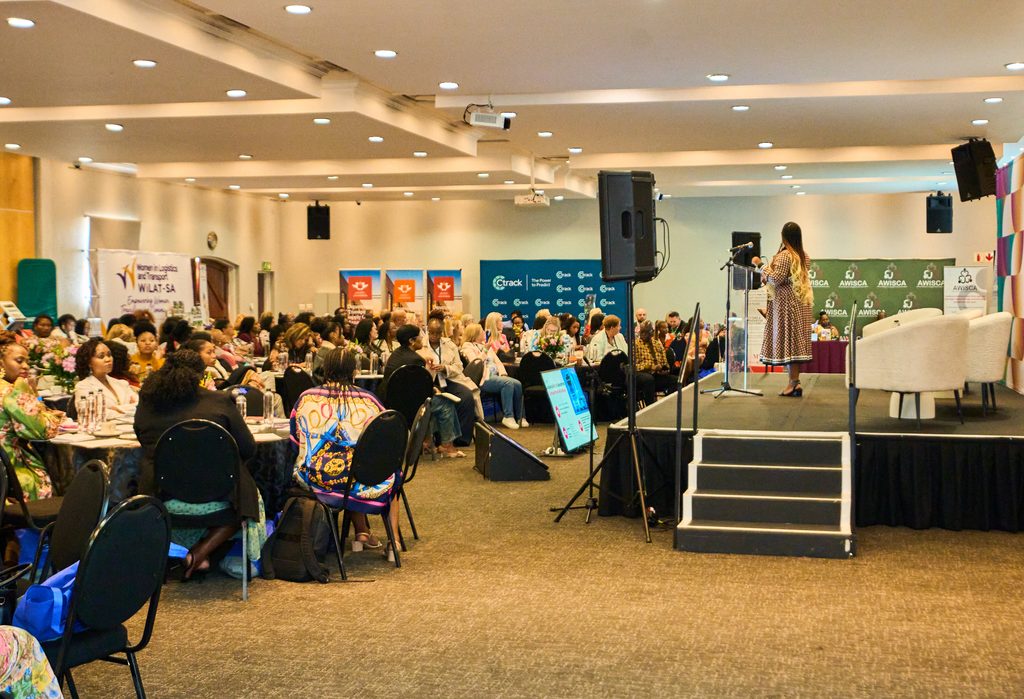
The first panel discussion, “Women at the Helm: Transforming South Africa’s Supply Chain Competitiveness”, examined how leaders across the logistics and transport value chain are responding to infrastructure constraints, port bottlenecks and other operational pressures.
Under the sub-theme “Pivoting Under Pressure”, senior executives shared their experiences of navigating real-world challenges while maintaining service delivery and operational excellence.
The session also incorporated an interactive question-and-answer segment, allowing participants to explore practical approaches to managing disruption and adapting to systemic changes affecting the supply chain.
The discussion was facilitated by Tjaka Segooa CMILT, Value Delivery and Intelligence Specialist at the SABC.
The panel brought together a diverse group of industry representatives:
- Jenny Purchase, Head of Commercial at Rohlig-Grindrod Logistics South Africa.
- Imogene Mngcwango, Chief Executive Officer of Gauteng Women in Transport.
- Nnoni Mohlaphuli, Brand, Communications and Marketing Manager at Traxtion.
- Lance Schultz FCILT, Chief Executive Officer of Resolution Circle.
- Cathy Shilubana, Chief Executive Officer of Volt-Hi Technology Solutions.
The panel’s composition reflected the breadth of expertise required to address South Africa’s supply chain challenges, spanning logistics operations, transport advocacy, communications, executive leadership and technology solutions.
The session highlighted the importance of collaboration across the value chain and the need for leaders to develop practical responses to infrastructure-related constraints. It also provided a platform to consider how women in leadership positions can contribute to improving competitiveness, strengthening operational resilience and advancing transformation within the industry.
Leading change in a connected, AI-powered world

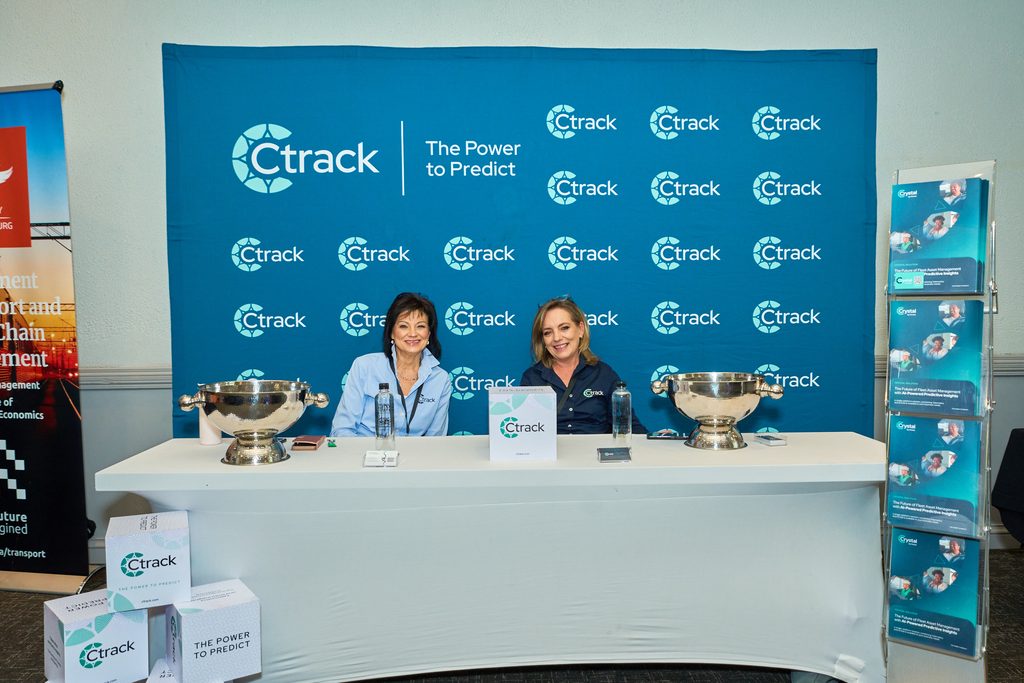
Following the lunch break, Jo-Anne Ward, Executive: People and Culture at Ctrack, addressed the conference on the topic “Leading Change: Women Reimagining Resilience in a Connected, AI-Powered World.”
Her presentation brought the focus to the changing relationship between leadership, technology and resilience as digital transformation continues to influence the logistics and transport industries.
The session highlighted the relevance of preparing women to lead in an increasingly connected, technology-driven environment, where artificial intelligence (AI) and digital innovation are reshaping how organisations operate, manage information and respond to disruption.
As the industry adapts to new technologies and evolving workforce requirements, leadership and people development remain important considerations. Ward’s contribution added a people-centred perspective to the conference programme, complementing discussions on operational competitiveness, professional development and the future skills required across the supply chain.
Her topic reinforced the importance of equipping women with the knowledge, confidence and leadership capabilities to navigate technological change and contribute to building resilient, forward-looking organisations.
The Trinity of Growth: Leadership, professionalisation and education
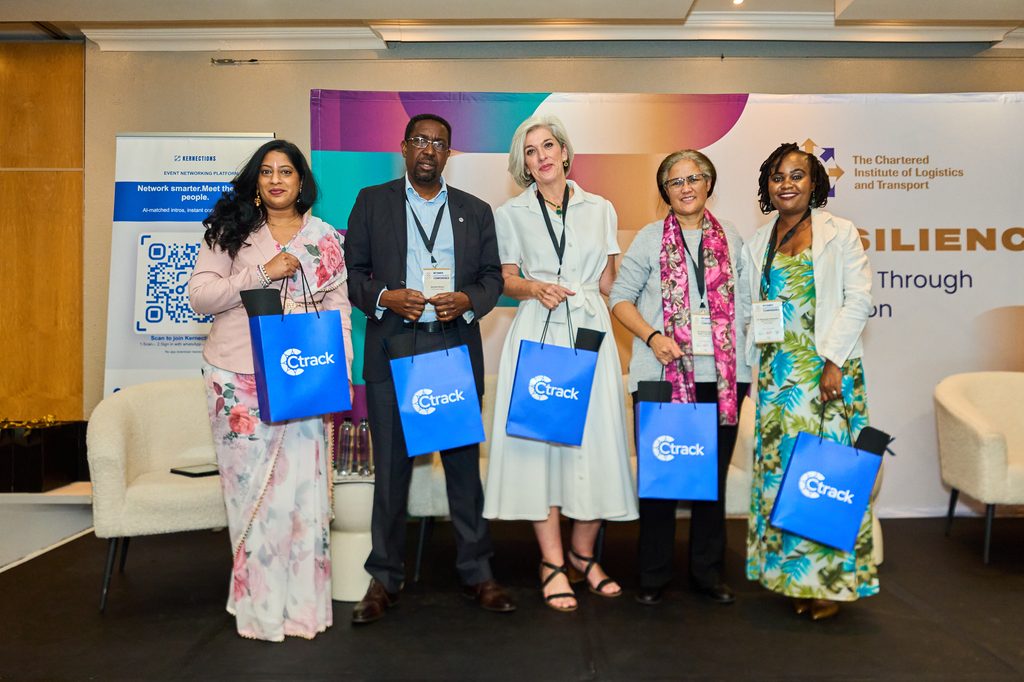
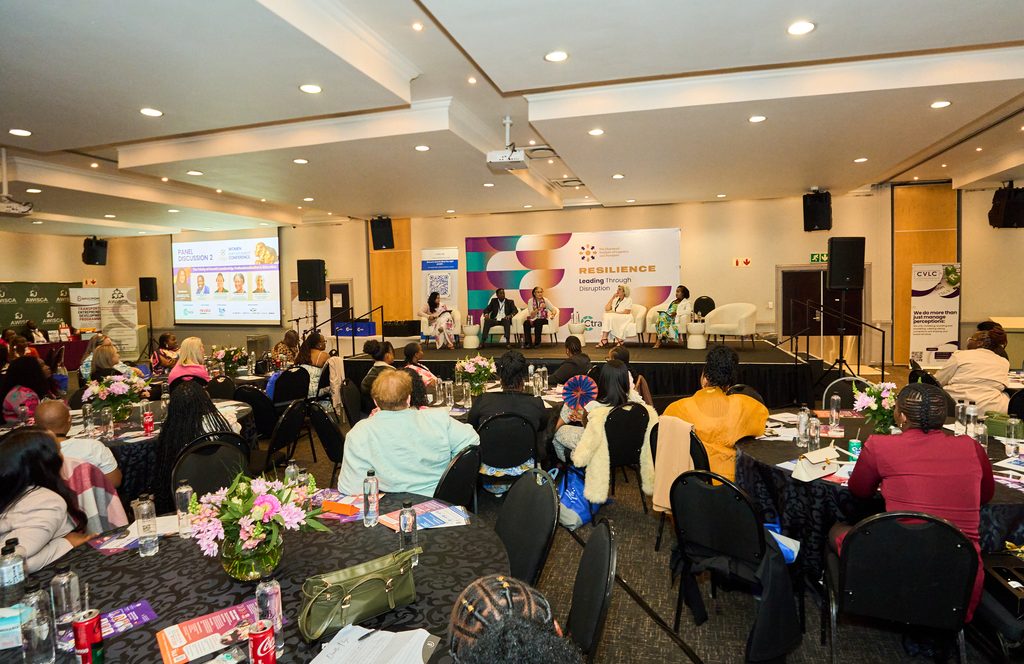
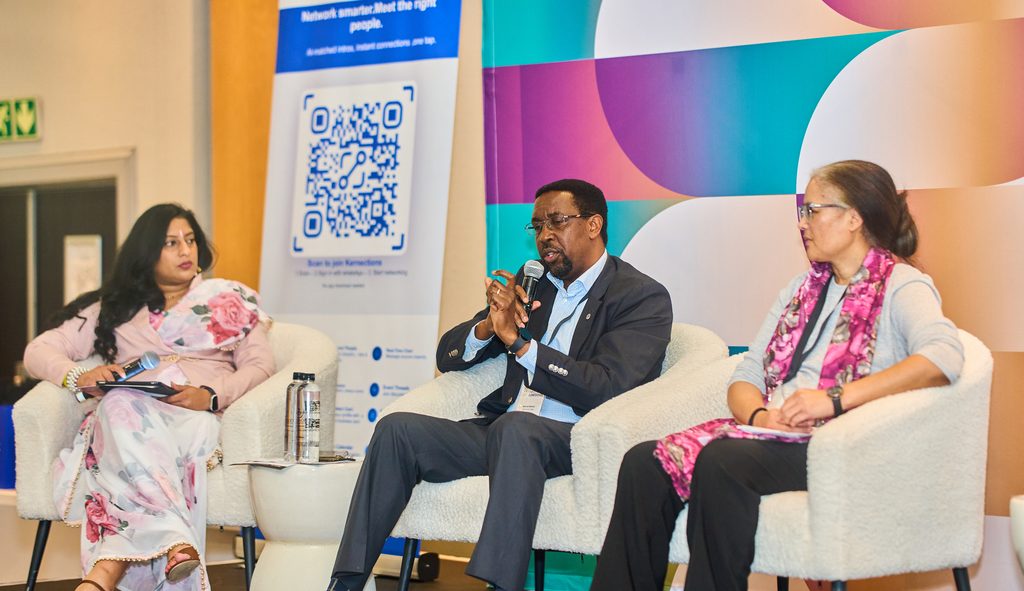
The second panel discussion, “The Trinity of Growth”, explored the relationship between leadership, professionalisation and education, with particular emphasis on developing the skills and qualifications needed to advance careers in logistics, transport and supply chain management.
The session examined the role of international professional designations in improving career mobility, the need to bridge existing skills gaps through accredited training, and the value of continuous professional development (CPD) in keeping industry professionals relevant in a changing working environment.
Facilitated by Shevon Kotiah CMILT, Demand Manager: Sales at Heineken, the discussion brought together education and training leaders, supply chain professionals, academics and road safety advocates.
The panellists were:
- Maphefo Anno-Frempong, Chief Executive Officer of the Transport Education and Training Authority (TETA).
- Ronald Mlalazi, Chartered FCIPS, FCILT, Managing Director of Commerce Edge.
- Dr Nobusuku Mahache CMILT, Lecturer in the Department of Logistics and Supply Chain Management at Vaal University of Technology.
- Dr Jessica Fraser, Senior Lecturer in Operations, Supply Chain and Maritime Management at Nelson Mandela University.
- Nicci Scott Anderson, Founder of the SaferStops Association.
The discussion placed education and professional development at the centre of long-term industry growth. Accredited training, recognised professional designations and ongoing learning are important tools for strengthening expertise, supporting career progression and preparing professionals to respond to new technologies, changing operating models and emerging supply chain demands.
The involvement of representatives from TETA, higher education institutions and professional services organisations also underscored the importance of cooperation between industry and education stakeholders in preparing the next generation of logistics and transport professionals.
Advancing women’s participation and industry transformation
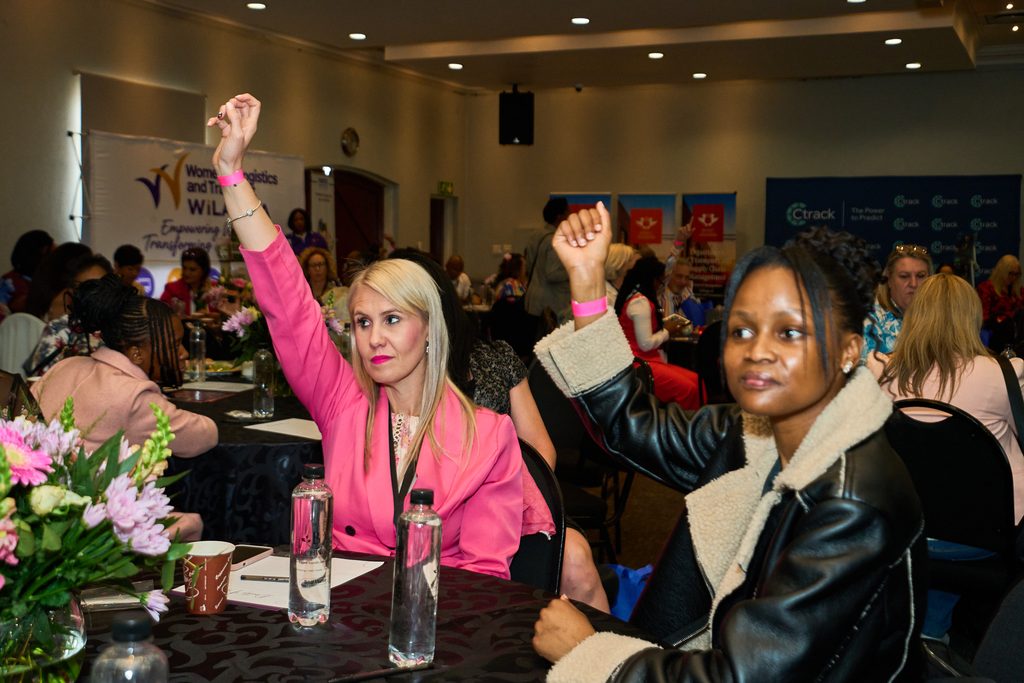


The conference created a platform for examining the realities facing women in logistics, transport and supply chain management while highlighting the leadership, technical expertise and strategic thinking needed to move the industry forward.
From the keynote presentations on resilience and future logistics trends to the panel discussions on supply chain competitiveness and professional development, the programme addressed key elements of a stronger, more adaptable industry.
A central message emerging from the conference programme was the importance of preparing professionals not only to withstand disruption but also to respond constructively to change. This requires capable leadership, practical problem-solving, investment in skills and stronger collaboration across business, government, professional bodies and educational institutions.
For women working across the value chain, these priorities are particularly relevant as the sector continues to evolve and the need for skilled, confident and adaptable leadership grows.
By bringing together senior executives, transport and logistics analysts, educators and industry specialists, CILT’s Women in Logistics, Transport and Supply Chain Empowerment Conference 2026 provided a forum for sharing perspectives on how leadership, resilience and professional development can contribute to a more competitive South African logistics sector.
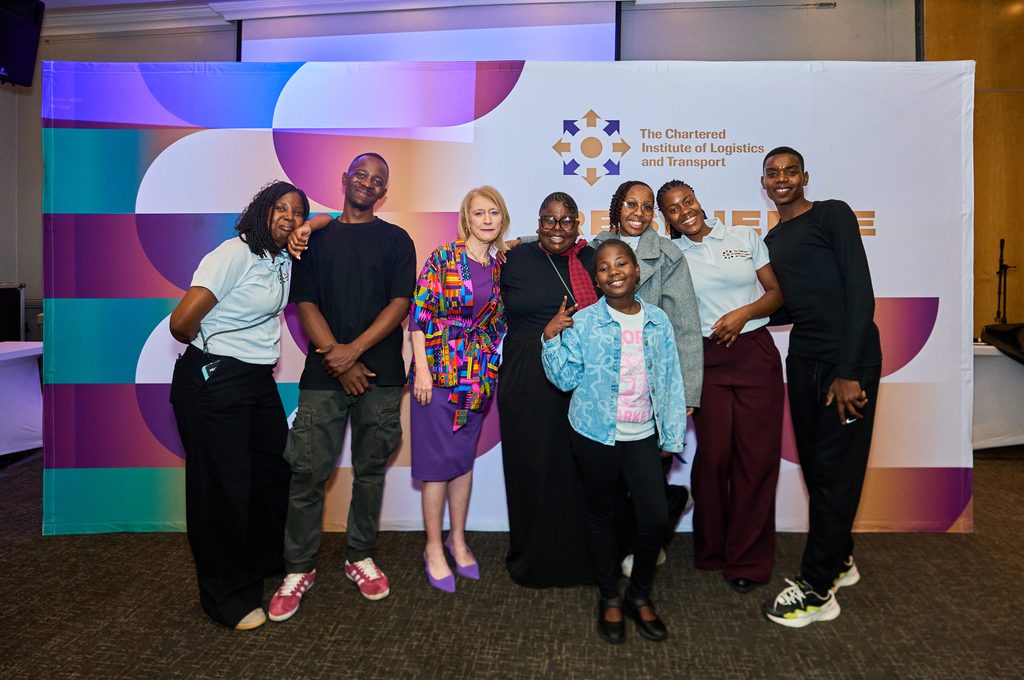
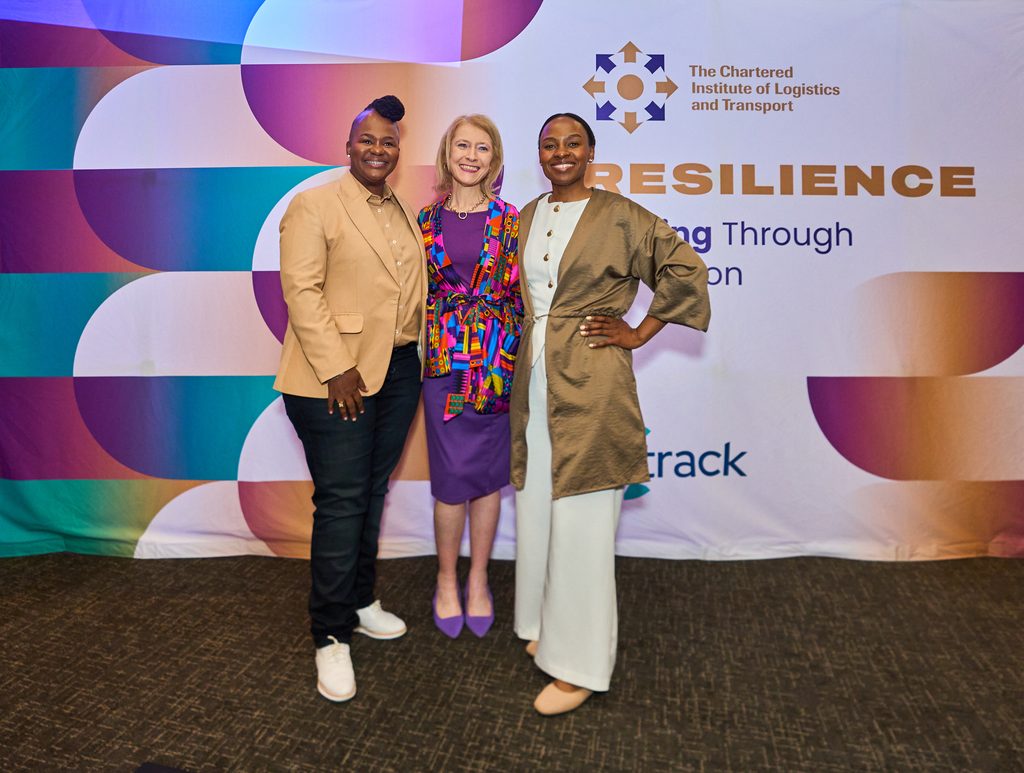
The conference theme, “Resilience Reimagined: Leading Through Disruption”, captured the importance of looking beyond immediate operational pressures towards a future in which women are equipped to lead change, strengthen supply chains and help shape the direction of the industry.