At a time when the global landscape is being reshaped by economic uncertainty, geopolitical tensions and shifting trade dynamics, South Africa continues to strengthen its influence as both a continental leader and a respected voice on the world stage. But leadership is ultimately measured not by the positions we hold, but by what we are able to achieve through them.
Less than a year after South Africa held the G20 Presidency and successfully hosted the first G20 Leaders’ Summit on African soil, the country assumed another significant regional role when it was elected Chairperson of the Southern African Development Community (SADC) for the period from August 2026 to August 2027. President Cyril Ramaphosa formally assumed the position at the 46th Ordinary SADC Summit of Heads of State and Government.
These two leadership roles in quick succession place South Africa at the centre of global and regional diplomacy. They allow our country to influence discussions and advance cooperation in key areas such as trade and investment, infrastructure and industrial
development, energy and water security, agriculture, digital development, and the opportunities presented by the African Continental Free Trade Area (AfCFTA). The opportunity before us is therefore not simply to deepen regional cooperation, but to make that cooperation work harder for our people.
At the heart of this agenda is a simple proposition: Southern Africa must derive greater value from what it produces.
South Africa is committed to building on the work of its predecessors by prioritising the implementation of SADC Vision 2050 and the Regional Indicative Strategic Development Plan (RISDP). These are aligned with key regional and continental policy frameworks, including the SADC Industrialisation Strategy and Roadmap 2015-2063, and the African Union Agenda 2063.
At the top of South Africa’s agenda is advancing regional industrialisation in line with the SADC Industrialisation Strategy and Roadmap and the theme: “Resilient, sustainable and inclusive industrialisation through infrastructure development, agricultural and critical minerals transformation in pursuit of a just world.” The theme emphasises building regional value chains in agro-processing, pharmaceuticals, clean-energy technologies and mineral beneficiation so that a larger share of value is retained within the region.
South Africa’s SADC Chairship provides a strategic opportunity to ensure that the region’s mineral wealth, productive capacity and shared infrastructure deliver tangible benefits for ordinary citizens. This includes advocating for materials to be processed closer to where they are mined. Our resources should create prosperity where they originate, not only where they are ultimately consumed.
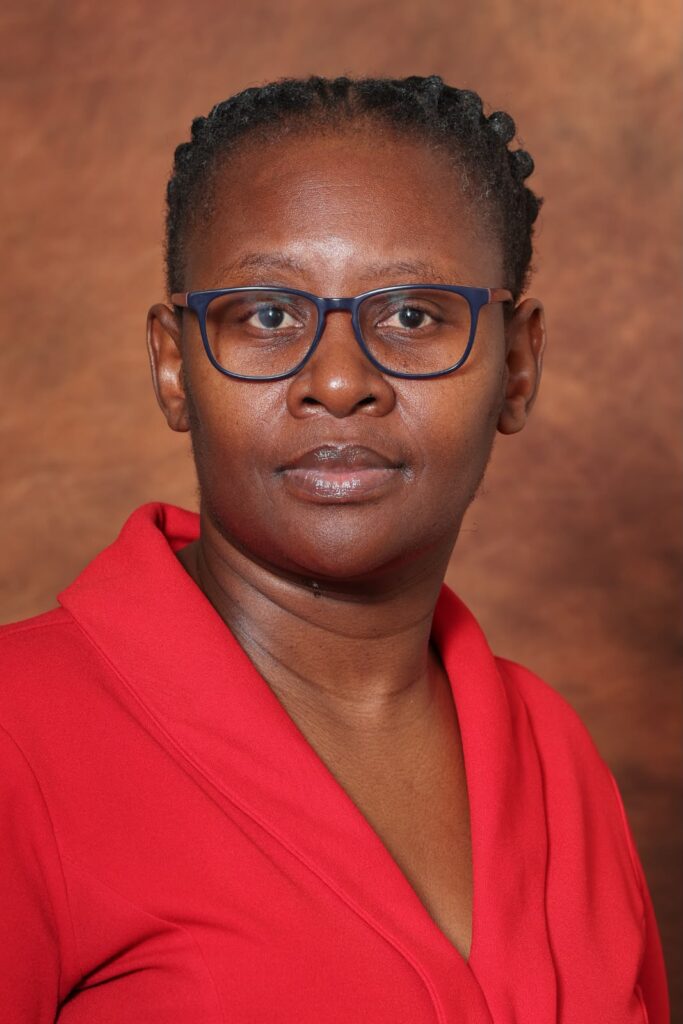
GCIS Acting Director General Ms Nomonde Mnukwa
Successful implementation of SADC resolutions is expected to diversify exports, accelerate economic growth, attract investment and expand employment opportunities across the region. And growth will mean little if its benefits do not reach the people of our region. These outcomes should also contribute to greater economic empowerment for women and unlock the potential of young people. The region’s youthful population should have better access to quality education, recognised qualifications, portable skills, entrepreneurship opportunities and research partnerships, enabling them to participate meaningfully in regional economies,
create businesses and contribute to sustainable development.
But regional economies cannot integrate if they cannot efficiently connect. Through its Chairmanship, South Africa is expected to prioritise investment and planning in infrastructure development that connects and improves regional trade routes. This includes strategic corridors such as the Maputo, North-South, Trans-Kalahari, Beira and Lobito corridors, which connect industrial centres, agricultural production areas, mines, ports, energy systems, digital networks creating integrated platforms for regional growth and development.
Infrastructure can connect our countries physically; efficient borders must connect our markets economically. South Africa is also set to promote a new approach that positions border management as a strategic enabler of trade and development. The establishment of One-Stop Border Posts, the integration of customs systems and the consolidation of the SADC Free Trade Area will be supported by clear implementation timeframes, followed by defined institutional responsibilities and transparent monitoring mechanisms.
Regional integration also requires upgrading of the Southern African Power Pool, a SADC initiative to build a stable, and resilient network that links electrical grids across SADC countries. Its impact could be felt across the region through more reliable electricity in homes, factories, better conditions for children to study, and greater certainty for local entrepreneurs. By expanding and strengthening the Power Pool, Southern Africa can improve security of supply and make optimal use of its diverse energy resources, thereby increasing its capacity to power its own development. Regional integration becomes real when a family has reliable electricity, a business can keep its doors open, and a young person can build a future close to home.
The same principle applies to the other foundations of modern economic life. Access to water and digital connectivity are equally central to sustainable regional development. Coordinated investment in water infrastructure will be required to support communities, agriculture and industry, while accessible digital infrastructure to enable small enterprises and young entrepreneurs to participate more effectively in the regional economy. Beyond the movement of goods and capital, building regional resilience will also remain at the centre of the Chairship programme.
Climate change is placing increasing pressure on food systems, water resources and public infrastructure. South Africa will therefore promote climate-smart agriculture, regional food-security mechanisms, stronger early-warning systems and enhanced capacity within the SADC Humanitarian and Emergency Operations Centre. Disaster preparedness and food security are essential to regional stability and sustainable development.
Neither development nor integration can take root where peace and stability are fragile. South Africa will further use its convening role to strengthen preventive diplomacy, mediation, constitutional governance, conflict-prevention mechanisms and timely regional responses to emerging risks. Peace, security and democratic governance remain fundamental prerequisites for regional development because conflict diverts scarce public resources, displaces communities and undermines investor confidence.
South Africa’s SADC Chairship therefore comes with both opportunity and responsibility. Our tenure will matter not because we chaired meetings or adopted resolutions, but because we helped turn regional ambition into tangible progress.
Thirty years after South Africa joined SADC, our destiny remains inseparable from that of our neighbours. A more industrialised, connected, resilient and peaceful Southern Africa is not only good for the region. It is fundamental to South Africa’s own future.
That is the promise this Chairship must now work to deliver.